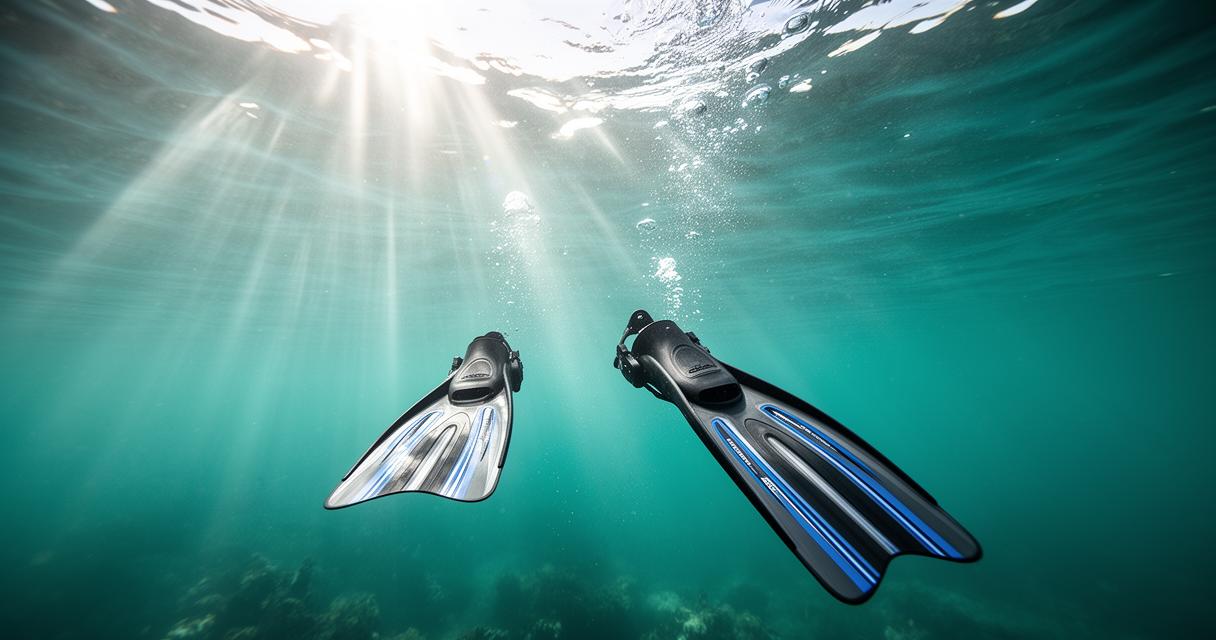
The intersection of sport and science often yields unexpected insights, and nowhere is this more evident than in the realm of water sports equipment. From the thrill of bodyboarding to the precision of scuba diving, the tools we use in aquatic environments are constantly evolving. Among these innovations, fins stand out as critical components that bridge recreational enjoyment and therapeutic rehabilitation. Their design, materials, and adaptability not only enhance performance but also reveal broader principles about flexibility, resilience, and recovery that extend far beyond the surf.
- Fins are essential tools in water sports that enhance propulsion, control, and efficiency by extending the leg's natural reach.
- Fin design varies significantly based on activity, ranging from short, stiff models for high-speed bodyboarding to longer, flexible designs for leisurely snorkelling.
- Innovative leg-mounted fins provide greater freedom of movement and accessibility, making aquatic activities more inclusive for individuals with physical disabilities.
- The choice of materials, such as fiberglass or rubber, is critical as it dictates the balance between performance, responsiveness, and user comfort.
- Fiberglass fins offer the stiffness and power required for advanced surfing and diving, whereas rubber fins provide the shock absorption and flexibility needed to prevent fatigue.
- Rubber fins are particularly effective for aquatic therapy and rehabilitation, as they offer gentle resistance that supports muscle recovery and coordination for individuals recovering from injury.
Understanding orca fins: the essential kit for water sports enthusiasts
The Critical Role of Fins in Bodyboarding, Surfing, and Diving
Water sports enthusiasts understand that the right equipment can transform an ordinary outing into an extraordinary experience. Fins serve as more than mere accessories; they are fundamental tools that dictate speed, control, and efficiency in the water. Whether navigating the powerful swells during bodyboarding, maintaining balance while surfing, or exploring underwater realms through scuba diving, the propulsion and manoeuvrability provided by quality fins cannot be overstated. Modern designs cater to a spectrum of activities, from snorkelling in calm coastal waters to spearfishing in deeper environments, ensuring that every adventurer finds a match for their needs.
What makes fins indispensable is their ability to amplify natural movement. By extending the leg's reach and surface area, they allow for more effective propulsion with less effort, reducing fatigue and enhancing endurance. This efficiency is particularly valuable in activities like body surfing and fishing, where maintaining position or moving swiftly can make all the difference. Additionally, fins designed for swim training and instruction help athletes refine their swimming strokes, teaching efficient techniques that translate into improved performance across all aquatic disciplines.
Exploring the Range of Fin Types and Sizes for Different Aquatic Activities
The diversity of fin designs reflects the varied demands of water activities. Short, stiff fins are favoured for bodyboarding due to their responsiveness and ability to generate quick bursts of speed in turbulent water. Longer, more flexible fins suit snorkelling and leisurely diving, where sustained, comfortable propulsion is paramount. Adjustable designs have gained popularity for their versatility, accommodating different foot sizes and enabling users to share equipment or adapt to changing conditions. This adaptability is especially beneficial in aqua aerobics and aquatic therapy settings, where participants of varying abilities require tailored support.
Innovative alternatives to traditional foot flippers have emerged, offering unique advantages. Products such as shinfin leg fins represent a shift in design philosophy, attaching to the leg rather than the foot. This approach provides adjustable, comfortable, strong, and lightweight performance, ideal for individuals seeking enhanced freedom of movement. Such designs prove particularly valuable for those with disabilities, including amputation and multiple sclerosis, by enabling participation in water sports that might otherwise be challenging. The emphasis on comfort and reduced drag makes these alternatives suitable for everything from aqua aerobics to surfing, demonstrating how thoughtful engineering can broaden access to aquatic recreation.
Materials Matter: Fiberglass, Rubber, and the Science Behind Fin Construction
Why material selection impacts performance and durability
The choice of materials in fin construction directly influences both performance and longevity. Manufacturers balance rigidity and flexibility to optimise propulsion while minimising strain on the user. Fiberglass fins, for instance, offer exceptional stiffness, translating leg movements into powerful thrust. This quality makes them a favourite among experienced bodyboarders and surfers who demand responsiveness in dynamic conditions. However, the rigidity of fiberglass also means less forgiveness, requiring skilled technique to avoid discomfort or injury during extended use.
Rubber and similar synthetic compounds provide an alternative, emphasising flexibility and comfort. These materials absorb shock and adapt to the user's movements, reducing the risk of cramps and fatigue. Lightweight construction further enhances their appeal, particularly for activities like snorkelling and aquatic therapy, where ease of use and minimal exertion are priorities. The resilience of rubber also contributes to durability, withstanding repeated exposure to saltwater, sand, and sun without significant degradation. This balance of performance and practicality ensures that rubber fins remain a staple across a wide range of water sports.
Comparing Fiberglass and Rubber: Benefits for Various Water Sports
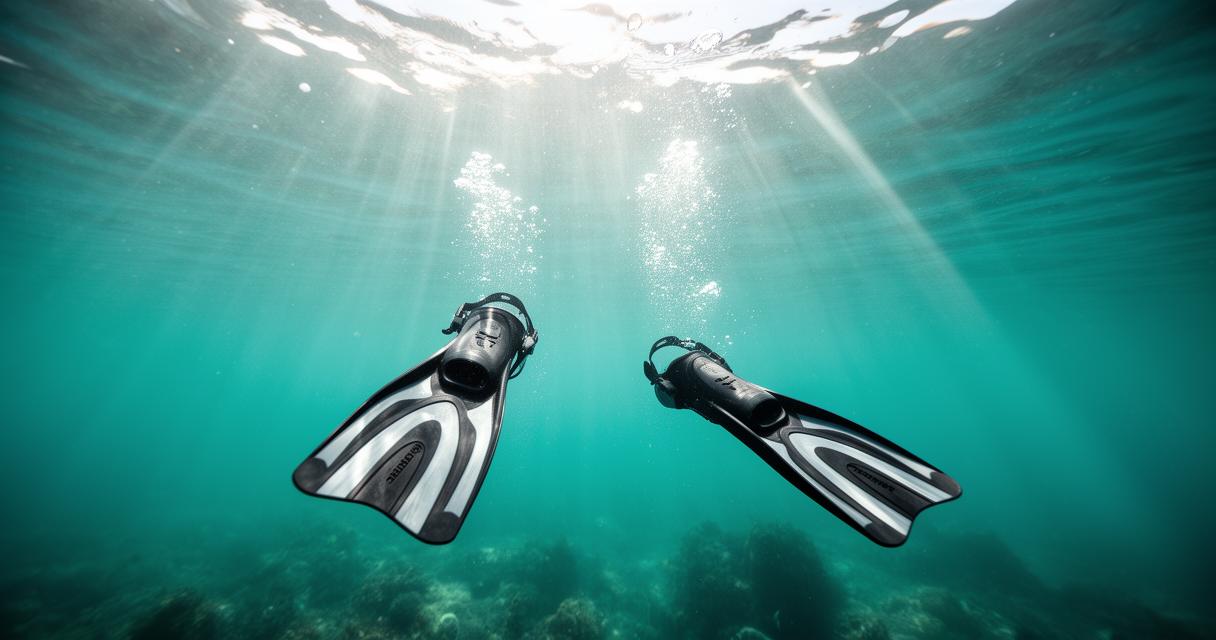
When comparing fiberglass and rubber fins, the distinctions become clear through practical application. Fiberglass excels in high-energy environments where explosive power and precision are required. Bodyboarders riding powerful waves benefit from the immediate response and control that stiff fins provide, allowing them to carve turns and maintain speed with confidence. Similarly, advanced divers and spearfishers appreciate the efficiency of fiberglass, which translates minimal leg effort into maximum propulsion, conserving energy during extended underwater excursions.
Conversely, rubber fins shine in contexts emphasising comfort, versatility, and rehabilitation. Aqua aerobics participants, for example, value the gentle resistance rubber fins offer, which supports muscle rebuilding, fat reduction, and cardiovascular fitness without overwhelming beginners. In aquatic therapy, the forgiving nature of rubber aids rehabilitation and movement enhancement, making it easier for patients recovering from injury or surgery to regain strength and coordination. The lighter weight and less aggressive design also benefit recreational snorkelers and swimmers, who prioritise enjoyment and safety over peak performance. By reducing underwater damage and facilitating easier manoeuvrability, rubber fins enable users to explore aquatic environments with minimal impact and maximum pleasure.
Finding your perfect fit: sizing, accessories, and product options
The Importance of Proper Fit and Available Size Ranges
A well-fitted fin is essential for both performance and safety. Fins that are too loose risk slipping off during use, potentially causing accidents or loss of equipment. Conversely, overly tight fins restrict circulation and cause discomfort, leading to cramps or blisters that cut adventures short. Manufacturers address these challenges by offering extensive size ranges and adjustable designs, ensuring that every user can find a secure, comfortable fit. Criteria such as foot shape, size, and intended activity guide selection, with many retailers providing detailed sizing charts and fitting advice to assist customers in making informed decisions.
The growing availability of adjustable fins has revolutionised the market, particularly for families and groups sharing equipment. These designs accommodate varying foot sizes through adjustable straps or flexible materials, reducing the need for multiple pairs and simplifying logistics. This adaptability extends to individuals with unique needs, such as those with disabilities or non-standard foot shapes, who previously struggled to find suitable options. By prioritising inclusivity and versatility, modern fin designs ensure that everyone, from novice swimmers to seasoned athletes, can participate fully in water activities.
Essential accessories: leashes, booties, gloves, and complementary products
Beyond the fins themselves, a range of accessories enhances safety, comfort, and performance in the water. Leashes secure fins to the ankles or calves, preventing loss in rough conditions and ensuring that users can retrieve their equipment quickly if dislodged. This simple addition provides peace of mind, particularly in bodyboarding and surfing where powerful waves can separate swimmers from their gear. Booties offer additional protection, shielding feet from sharp rocks, coral, and cold water while improving grip inside the fins. For those engaging in activities like spearfishing or kayaking, gloves provide warmth and protection, complementing the overall kit.
Retailers increasingly bundle fins with complementary products such as inflatable paddle boards, kayaks, and wetsuits, creating comprehensive packages that cater to diverse interests. Seasonal sales and discounts, sometimes reaching up to sixty percent, make these bundles accessible to a broader audience, encouraging newcomers to explore water sports without significant financial commitment. Rental options further lower barriers, allowing prospective buyers to trial equipment before purchasing. Easy returns policies, often extending to thirty days, and straightforward customer support reinforce confidence in online purchases. For customers in the UK and US, deliveries that include customs duties streamline the process, eliminating unexpected costs and delays. This holistic approach to service and product availability ensures that enthusiasts of all levels can equip themselves effectively, whether pursuing recreation or rehabilitation in aquatic environments.