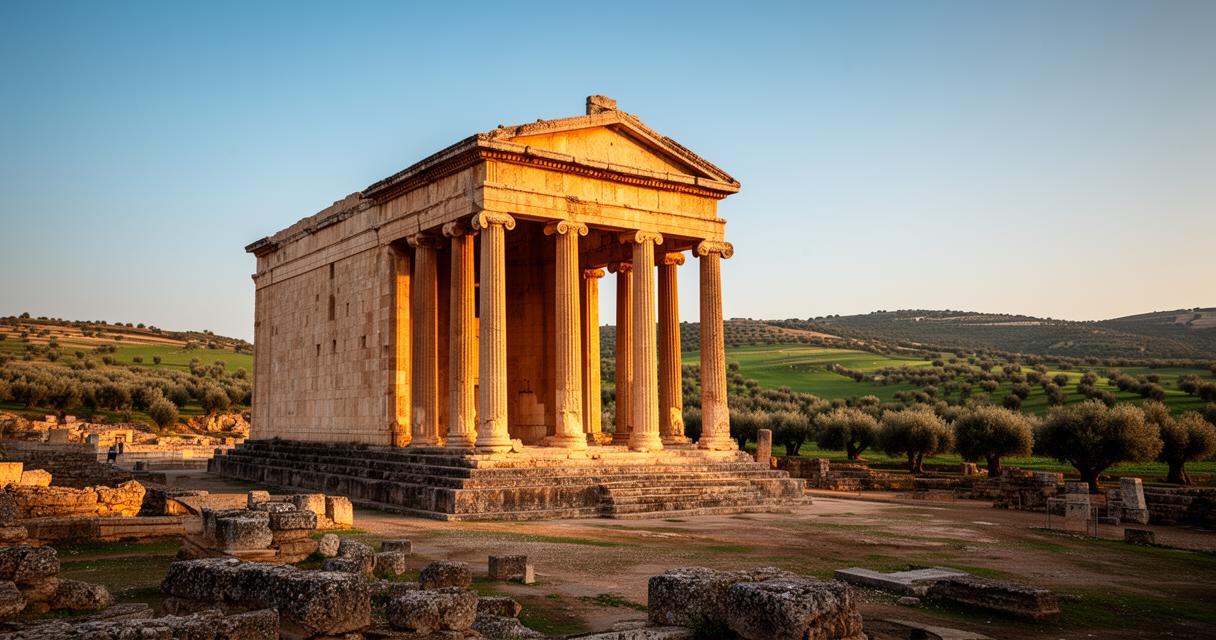
Nestled amid the rolling hills of northwest Tunisia, the ancient settlement of Dougga stands as one of the finest examples of Roman urban planning in North Africa. This remarkable archaeological site, now a UNESCO World Heritage treasure, invites visitors to step back in time and witness the grandeur of an era when Numidian kings and Roman emperors shaped the cultural landscape of the region. Reaching these storied ruins requires a journey through the town of Teboursouk, a gateway that offers both logistical convenience and a glimpse into rural Tunisian life. Whether you are a history enthusiast eager to explore temples adorned with Corinthian columns or simply a traveller seeking the tranquil beauty of ancient architecture set against stunning natural scenery, understanding your transport options is essential for a smooth and rewarding visit.
- Dougga is a UNESCO World Heritage site in northwest Tunisia known for its well-preserved Roman urban architecture.
- Teboursouk serves as the main gateway town for travelers arriving from Tunis, located approximately 110 kilometers away.
- Louages (shared taxis) and regional buses offer frequent, economical, and authentic public transport options from Tunis to Teboursouk.
- Private car hires or taxis provide a more convenient and flexible door-to-door service, ideal for groups or those with tight schedules.
- Local taxis from Teboursouk are the most practical way to bridge the final distance to the archaeological site, with the option to have drivers wait on-site.
- Negotiating fares in advance for private or local taxis is essential to avoid misunderstandings and ensure a reliable return trip.
- Travelers are encouraged to consult local guesthouses or residents in Teboursouk for advice on current road conditions and transport availability.
Travelling from Tunis to Teboursouk: Your Gateway to Dougga
The journey from Tunis to Teboursouk forms the first leg of your adventure to the ruins of Dougga. Situated approximately 110 kilometres from the capital, Teboursouk serves as the primary staging point for visitors aiming to reach the archaeological site. The town lies within the Béja Governorate and is well connected by several transport routes, making it accessible for both independent travellers and those preferring guided arrangements. The distance may seem modest, yet the journey offers a window into the diverse landscapes of Tunisia, transitioning from the bustling urban environment of Tunis to the serene, agricultural expanses of the interior.
Public transport options: louages and regional buses
For those seeking an economical and authentic travel experience, public transport remains a popular choice. Louages, the shared taxis ubiquitous throughout Tunisia, provide a flexible and efficient means of covering the distance between Tunis and Teboursouk. These vehicles typically depart once they are full, offering frequent service throughout the day. Passengers can expect a journey time of around two hours, depending on traffic and road conditions. The communal nature of louages adds a social dimension to the trip, as travellers often share stories and tips, enriching the overall experience.
Regional buses also connect the capital with Teboursouk, though they may take slightly longer than louages due to multiple stops along the route. Buses offer a more structured timetable and can be a comfortable option for those who prefer a predictable departure time. Both louages and buses typically leave from designated transport hubs in Tunis, where ticket offices and information desks can assist with route details. It is advisable to confirm the latest schedules and fare information before setting out, as these can vary with seasonal demand and operational changes.
Private Hire and Taxi Services for Direct Access
Travellers prioritising convenience and time efficiency may opt for private hire vehicles or taxis. Engaging a private car for the day not only provides door-to-door service from your accommodation in Tunis but also affords the flexibility to tailor your itinerary according to personal preferences. This option is particularly appealing for small groups or families, as the cost can be shared, making it a reasonable alternative to public transport. Many hotels and travel agencies in the capital can arrange such services, often including a driver familiar with the route and the historical context of the site.
Taxis operating on a metered or negotiated fare basis are readily available in Tunis, and some drivers are willing to undertake longer journeys to Teboursouk and beyond. It is important to agree on the fare in advance to avoid misunderstandings, especially if you plan to include waiting time at the ruins or additional stops along the way. The direct nature of this transport method means you can depart at a time that suits your schedule, enjoy a more comfortable journey, and even incorporate brief detours to explore other points of interest en route.
Navigating from Teboursouk to the Archaeological Site of Dougga
Upon arrival in Teboursouk, the final stretch to the archaeological site requires careful planning, as the ruins are situated a few kilometres from the town centre. This segment of the journey is where local knowledge and practical arrangements become essential. The transition from the village to the historic monument area is relatively straightforward, yet understanding your options ensures a seamless visit and maximises your time among the ancient temples, baths, and the celebrated Capitol.
Local Taxis and Shared Transport from Teboursouk Village
Local taxis are the most common means of covering the distance between Teboursouk and the entrance to the Dougga archaeological site. Drivers familiar with the route can be found near the main square or transport stops in the village, and they are generally willing to provide both one-way trips and return services. Many visitors arrange for the taxi to wait at the site for a few hours, allowing ample time to explore the expansive 65-hectare area without the worry of finding transport back to the village. Negotiating the fare in advance is advisable, and it is often possible to share a taxi with other travellers heading to the ruins, reducing individual costs while fostering a sense of camaraderie.
Shared transport options, though less formal, can sometimes be arranged through local guesthouses or cafés in Teboursouk. These arrangements depend on visitor numbers and the availability of drivers, but they offer a budget-friendly alternative for those with flexible schedules. Engaging with local residents can also yield helpful advice on the best times to depart and current road conditions, enhancing both the practicality and the cultural dimension of your journey.
Walking Routes and Practical Tips for the Final Stretch
For the more adventurous and physically prepared visitor, walking from Teboursouk to Dougga presents an opportunity to immerse oneself in the natural scenery and rural landscapes of the region. The distance of roughly four to five kilometres can be covered on foot in about an hour, though this estimate assumes a moderate pace and favourable weather conditions. The route follows a combination of paved and unpaved roads, winding through olive groves and agricultural fields that characterise the Tunisian countryside.
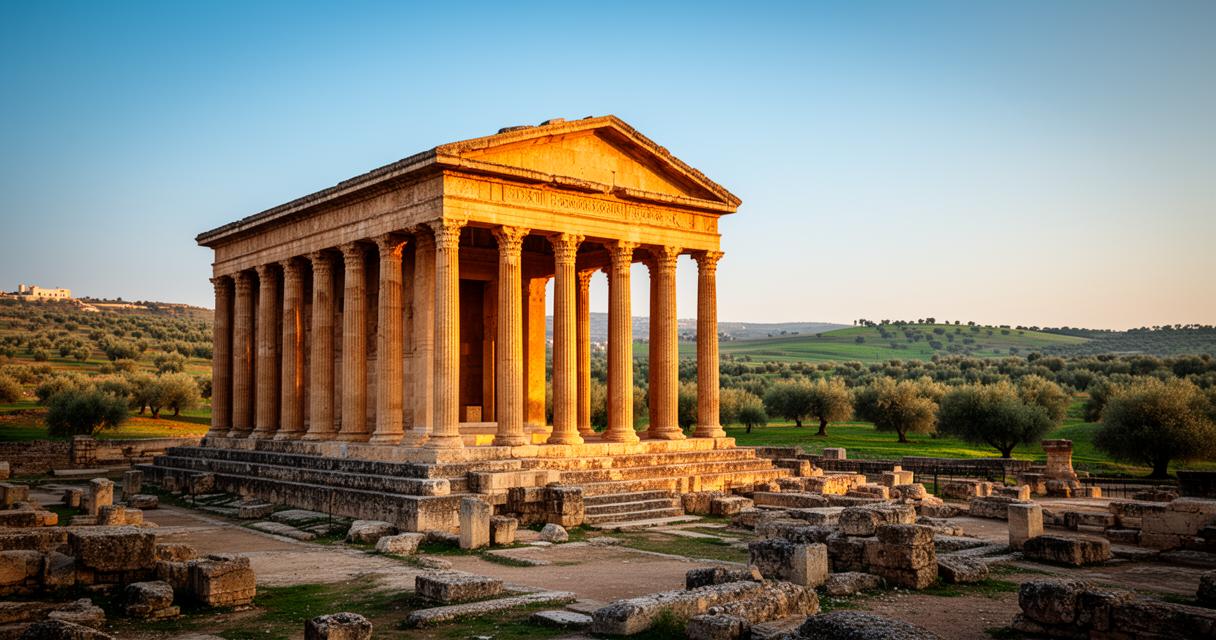
Embarking on this walk requires sensible preparation. Sturdy footwear is essential, as some sections may be uneven or dusty, particularly during the drier months. Carrying sufficient water and sun protection is equally important, as shade can be limited along the way. Early morning or late afternoon departures are recommended to avoid the midday heat, especially during the summer when temperatures can soar. The tranquillity of the walk offers a reflective prelude to the grandeur awaiting at the site, where Corinthian columns rise against the sky and the whispers of ancient civilisations echo through time.
Planning your visit: practical advice for reaching dougga
A successful trip to Dougga hinges not only on transport logistics but also on thoughtful planning that considers seasonal variations, site accessibility, and complementary activities. The ruins themselves are open daily, with hours varying by season to accommodate shifts in daylight and visitor demand. Winter hours typically run from half past eight in the morning until half past five in the evening, whilst summer extends access from eight in the morning to seven in the evening. During Ramadan, the site opens at eight and closes at five in the afternoon. Entrance fees are modest, with residents paying five Tunisian dinars and non-residents charged eight dinars, reflecting the site's commitment to accessibility and heritage conservation.
Best Times to Travel and Seasonal Considerations
Choosing the right time to visit Dougga can significantly enhance your experience. Spring and autumn are widely regarded as the most pleasant seasons, offering mild temperatures and blooming landscapes that complement the historical monuments. These periods also coincide with lower tourist numbers compared to the peak summer months, ensuring a more tranquil exploration of the ruins. Summer, whilst offering extended daylight hours, can bring intense heat that may challenge those unaccustomed to such conditions. Adequate hydration, sun protection, and breaks in shaded areas become essential for comfortable exploration during this season.
Winter visits, though less common, present their own unique charm. The cooler weather is ideal for extended walks among the temples, baths, and the magnificent theatre, and the occasional mist or light rain can lend an atmospheric quality to the site. However, visitors should be prepared for earlier sunsets and the possibility of inclement weather affecting transport schedules. Monitoring local forecasts and confirming travel arrangements in advance can mitigate potential disruptions and ensure a smooth journey from Tunis to Teboursouk and onward to the archaeological site.
Combining Your Trip with Guided Tours and Museum Visits
For those seeking a deeper understanding of Dougga's rich history and cultural heritage, engaging a guided tour can prove invaluable. Knowledgeable guides offer insights into the Numidian origins of the settlement, the subsequent Roman development that transformed it into a thriving urban centre, and the later Punic and Byzantine influences that left their mark on the landscape. Such tours often include detailed explanations of the Capitol, the ancient theatres, and the mausoleum, revealing the architectural innovations and social dynamics of the period. Many tour operators in Tunis provide packages that encompass transport to and from Teboursouk, site entry, and expert commentary, streamlining the experience for visitors.
Enhancing your visit further, a trip to the Bardo National Museum in Tunis before or after your excursion to Dougga offers valuable context. The museum houses an extensive collection of mosaics and artefacts recovered from the site and other Roman settlements across Tunisia, providing a tangible link between the ruins you explore and the everyday lives of their ancient inhabitants. The combination of on-site exploration and museum study creates a comprehensive narrative that spans centuries of history, from the early Numidian settlements through to the Byzantine era. Additionally, if your visit coincides with the annual Dougga Festival, you can enjoy diverse music genres performed amidst the ruins, blending cultural heritage with contemporary artistic expression.
Planning your journey to Dougga via Teboursouk involves a series of considered choices, from selecting the most suitable transport method between Tunis and the village to arranging onward travel to the archaeological site itself. Whether you favour the communal atmosphere of louages, the comfort of a private hire, or the immersive experience of a guided tour, each option offers distinct advantages that can be matched to your preferences and schedule. The site's impressive preservation, including its monumental temples, Corinthian columns, and the celebrated Capitol, rewards the effort required to reach it, offering a window into the grandeur of the Roman Empire and the complex cultural tapestry of North Africa. With careful preparation and an appreciation for both the logistical and historical dimensions of your visit, the ruins of Dougga stand ready to reveal their timeless stories amidst the stunning natural scenery of the Tunisian highlands.