The idea of crossing oceans without boarding a plane has long captured the imagination of adventurous travellers. Whether you are drawn to the romance of the open sea or simply searching for a more affordable and unconventional way to explore the world, travelling by cargo ship is a genuine and increasingly popular option worth considering. Far from a mere curiosity, it represents a distinctive approach to slow, budget-conscious international travel.
The essentials
- Travelling by cargo ship offers an unconventional, slow-travel alternative that focuses on the experience of the voyage rather than luxury amenities.
- Passage on a freighter is not free, but it can be cost-effective as ticket prices typically include accommodation and meals.
- Booking a freighter journey requires using specialist travel agencies and planning well in advance due to limited passenger berths.
- Unlike traditional cruises, cargo ship travel involves adapting to the ship’s working environment and maintaining a flexible schedule based on cargo logistics.
- Passengers must be self-sufficient, as life on board is unstructured and relies on limited facilities, making preparation and specialized insurance essential.
- Global routes depart frequently from major European ports, offering long-term travellers the chance to cross oceans while visiting multiple countries.
- Successful budget travel requires patience and flexibility, whether one chooses to travel by sea, land, or a combination of alternative transport methods.
Understanding how to travel on a cargo ship at low cost
The realities of booking passage on working freighters
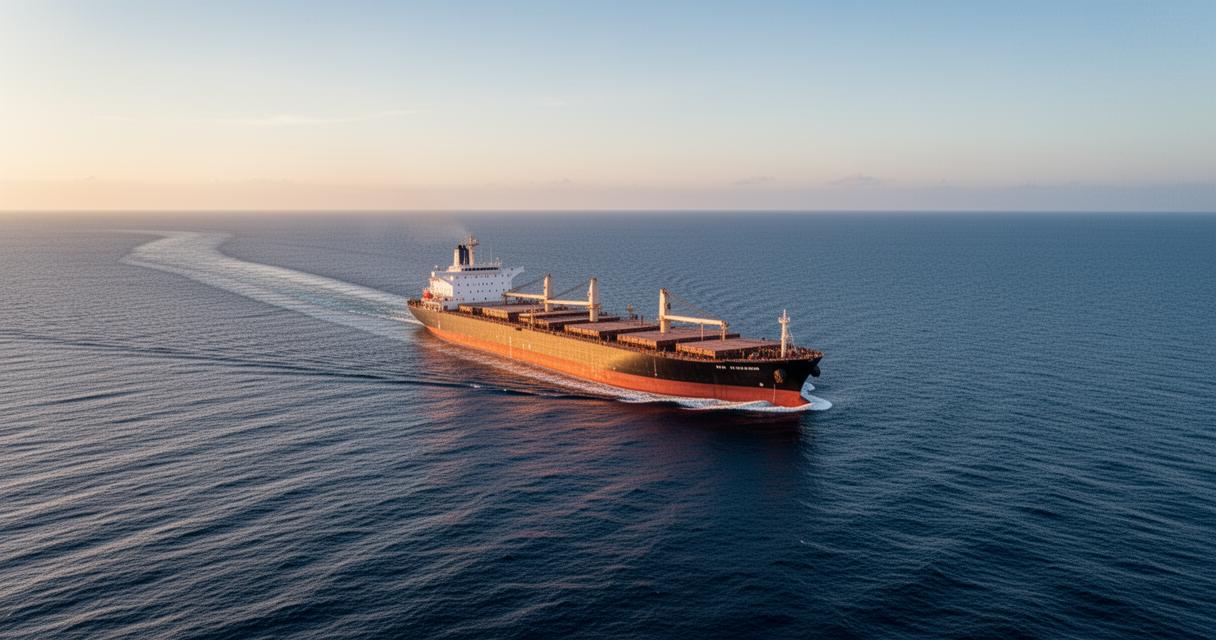
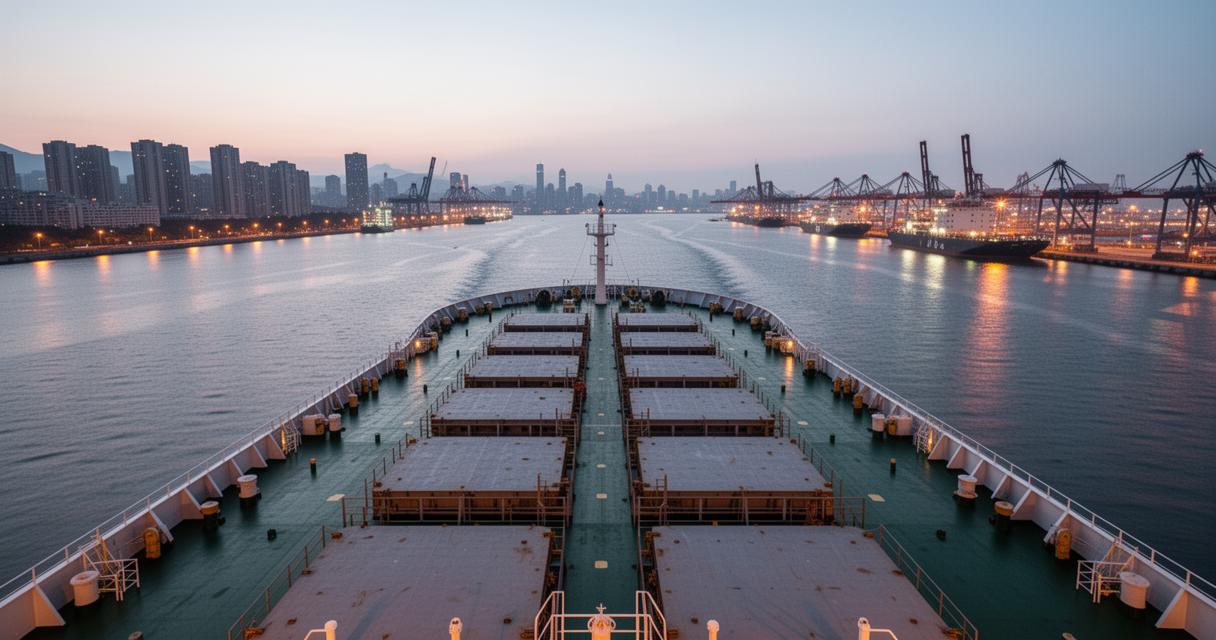
Travelling aboard a working freighter is a world away from the glossy brochures of conventional holidays. These vessels are, first and foremost, commercial ships transporting goods across continents, and passengers are essentially guests within a working environment. To book passage on one of these ships, you typically contact a specialist travel agency that acts as an intermediary between you and the shipping company. Operators such as CMA CGM are among the well-known names in the freight industry that occasionally accommodate passengers on select routes. Tickets are available for voyages spanning several weeks, and the experience lends itself perfectly to those who value slow travel and genuine cultural immersion at sea.
It is worth noting that the cost of a freighter passage is not necessarily free in the strictest sense. Prices vary depending on the route, the duration, and the shipping company, but they can represent a more economical alternative to flights when you factor in accommodation, as your cabin and meals are typically included. For anyone planning a round-the-world travel adventure on a tight budget, this is a compelling proposition. The number of passenger berths on any given vessel is limited, so booking well in advance is strongly advisable.
Comparing freighter voyages with a traditional cruise
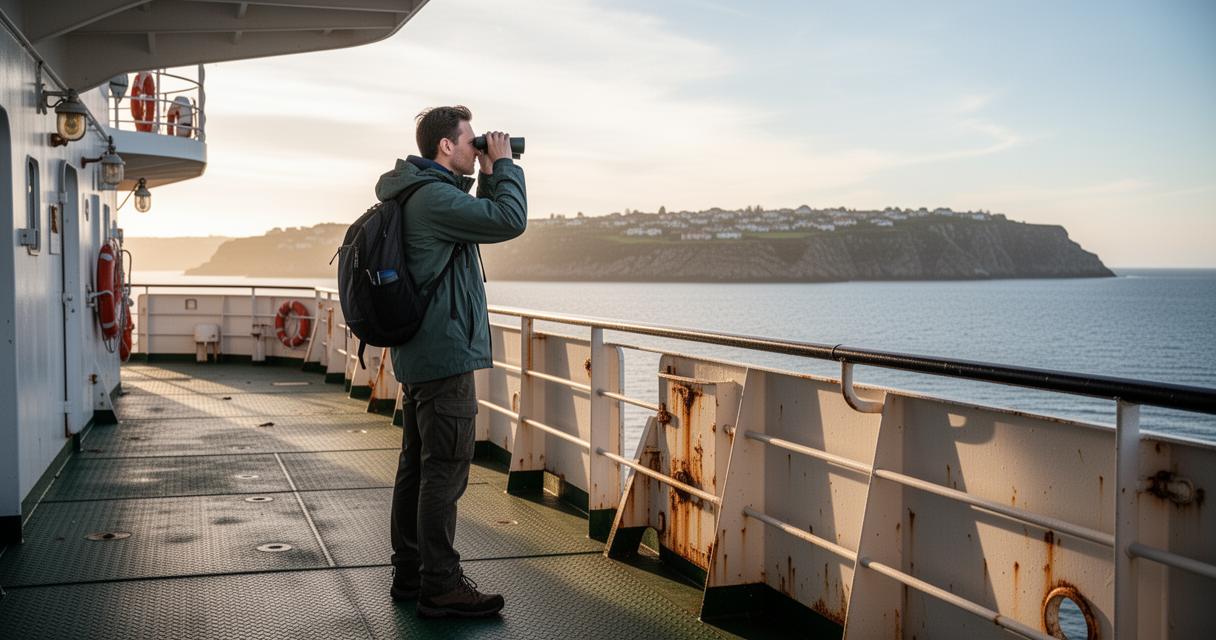
At first glance, one might wonder how a freighter voyage differs from a standard cruise. The distinction is considerable. A traditional cruise is designed entirely around passenger comfort and entertainment, with onboard facilities, shore excursions, and a highly structured itinerary. A freighter journey, by contrast, offers a more stripped-back experience focused on the voyage itself rather than lavish amenities. Passengers on cargo ships typically share meals with the officers and crew, have access to a lounge or small recreation area, and spend long stretches of time watching the horizon, which, for many, is precisely the appeal.
This style of travel suits those pursuing a nomadic lifestyle or seeking a meaningful break from the pressures of daily life. Long-term travellers often report that extended ocean crossings offer a rare opportunity for reflection, free from the constraints of work schedules and societal expectations. The journey becomes as significant as the destination itself.
Navigating routes and logistics for ocean trips
Planning your itinerary between Europe, America and New Zealand
One of the most exciting aspects of freighter travel is the breadth of routes on offer. Ships depart regularly from ports across Europe, including those in the United Kingdom, heading towards North America, South America, and as far as New Zealand and other destinations in the Pacific. Planning your travel itinerary around freight routes requires flexibility, as departure dates can shift depending on cargo schedules. This is quite different from booking a fixed flight, and it demands a certain openness to uncertainty, a quality that seasoned travellers tend to embrace wholeheartedly.
A typical world tour by freighter might take you from a European port across the Atlantic to America, then onwards through the Panama Canal towards the Pacific, before reaching ports in New Zealand or Australia. Such a journey can span several months and visit a remarkable number of countries along the way. For those with the time and inclination, it is one of the most immersive forms of international travel available, combining genuine cultural immersion with the meditative experience of life at sea.
Selecting a suitable shipping company and port of departure
Choosing the right shipping company and port of departure is a crucial step in planning your voyage. Research is essential, as not every freight operator accepts passengers, and routes vary enormously in terms of duration and destination. It is advisable to compare several companies and to pay close attention to what is included in the ticket price. Some operators provide comfortable cabins and full board, while others offer more modest arrangements. Ports in the United Kingdom, France, Germany, and the Netherlands are common departure points for major freight routes, making Europe an excellent starting point for a global adventure.
Preparing for life onboard merchant ships
What passengers can expect during long ocean crossings
Life aboard a merchant vessel demands a degree of adaptability. Days are largely unstructured, which can be liberating for those accustomed to the relentless pace of modern life. Passengers typically have access to a small library, a television lounge, and sometimes a deck area for walking and fresh air. Meals are taken with the ship’s officers, offering a fascinating window into the working lives of professional seafarers. The experience fosters a kind of quiet resilience and self-sufficiency that many travellers find transformative.
It is important to bring sufficient reading material, personal entertainment, and any specialist travel gear you might need, as resupply opportunities mid-voyage are virtually non-existent. Travel insurance is also an absolute necessity, as medical facilities onboard are limited and the distances from land can be vast. Budgeting carefully for travel expenses before and after the voyage (including visa costs, which can reach between fifty and one hundred and twenty dollars per country depending on your nationality) is equally important for anyone serious about keeping their overseas travel costs under control.
Alternative budget transport options to standard plane travel
For those who find the freighter option too involved, there are other ways to reduce travel expenses on a long-term journey. Sailing on a private yacht as a crew member, travelling by campervan across continents, or cycling from country to country are all approaches that adventurous travellers have used to explore the world at minimal cost. Closer to home, local transport such as buses and trains between countries can dramatically reduce spending compared with flying. Strategies such as eating at local street restaurants, opting for affordable accommodation, and practising couchsurfing (staying with local residents at no cost) can bring daily outgoings down to remarkably low levels in certain regions.
For anyone serious about budgeting for travel over the long term, it is wise to build a financial buffer into your plans to cover unexpected costs. Setting aside a contingency of around fifteen per cent on top of your estimated budget is a prudent approach, as unforeseen expenses (from missed connections to medical needs) have a habit of arising at the most inconvenient moments. Whether you choose a cargo ship, a bicycle, or a combination of local transport options, the key to sustainable low-cost travel lies in flexibility, patience, and a genuine willingness to embrace the unexpected.