When the sun is out and the open road beckons, having the right companion to keep your food and drinks refreshingly cold can make all the difference. The world of portable cooling has evolved considerably, offering everything from no-nonsense functional boxes to stylish, eye-catching designs that double as a statement piece. Among the options turning heads at picnics and beach outings alike, the Polarbox cooler has carved out a distinctive niche, blending retro aesthetics with genuine practicality. But how does it truly compare to standard cool boxes when it comes to your outdoor adventures?
Distinctive retro aesthetics and design elements of the Polarbox cooler
Vintage charm with colourful shades and signature leather strap
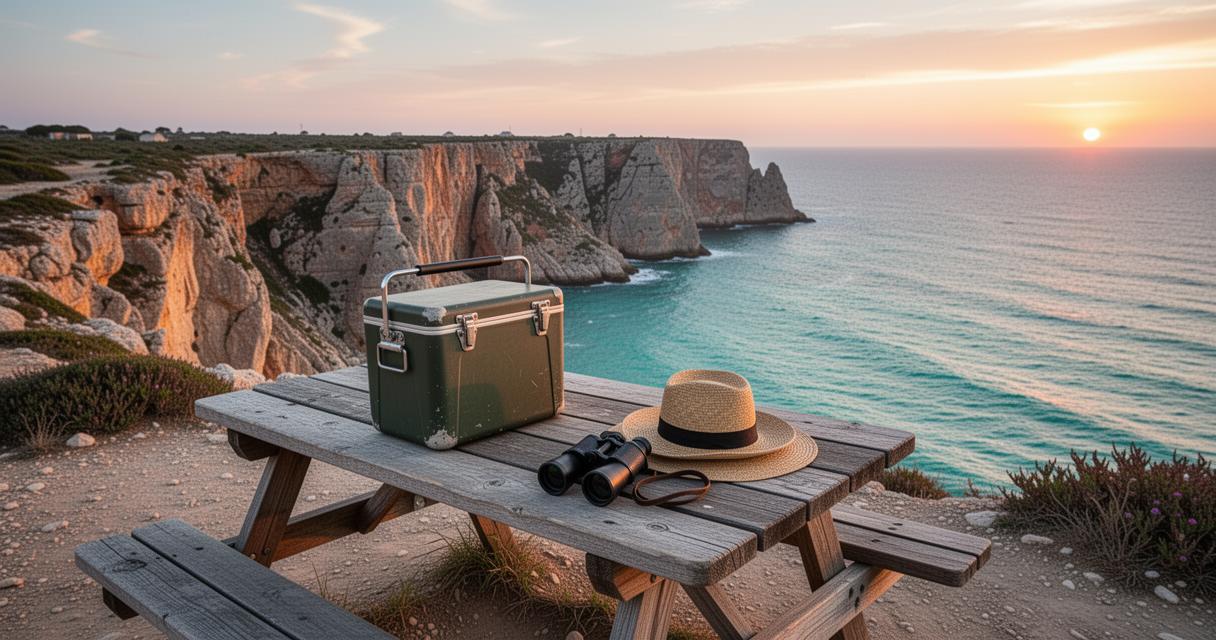
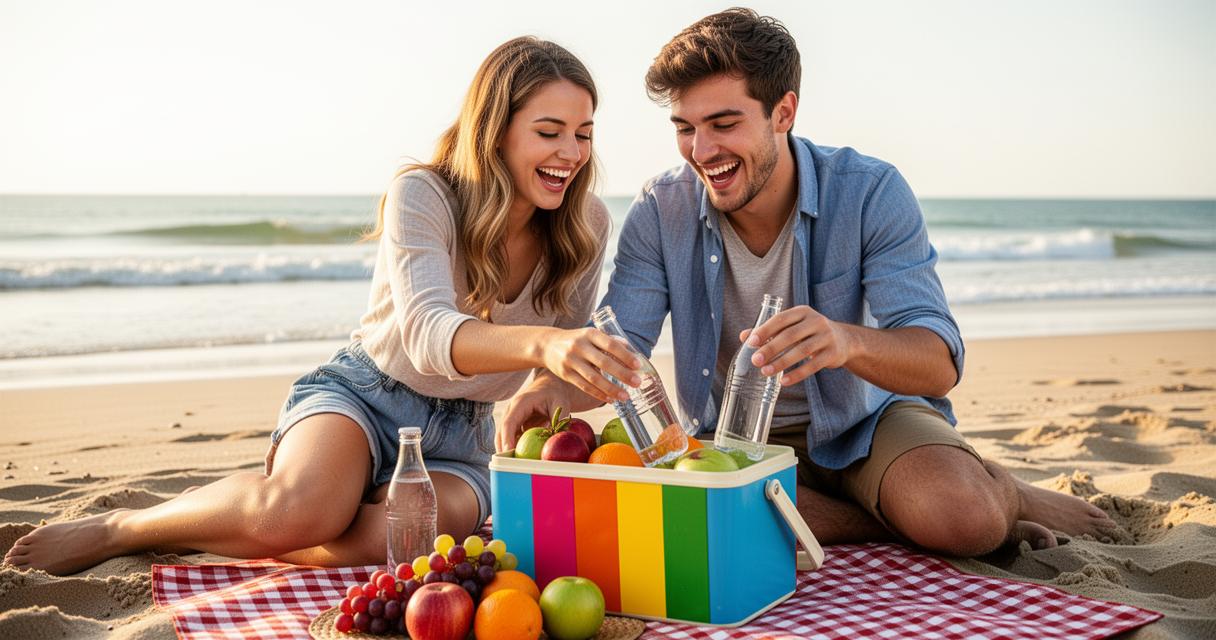
One of the most immediately striking aspects of the Polarbox cooler is its unapologetically bold visual identity. Where most camping coolers opt for muted, utilitarian tones, the Polarbox leans wholeheartedly into a retro, vintage-inspired pop style that feels lifted straight from a sun-drenched summer of decades past. The colour palette is deliberately joyful, featuring shades such as coral, mauve, blue, orange, rose, and gold, hues designed to stand out on a picnic blanket or a festival campsite. This isn’t merely cosmetic: the cooler’s entire design language, from its rounded silhouette to its prominent logo, is crafted to evoke a sense of classic, carefree leisure. Perhaps the most talked-about detail, however, is the signature leather strap, which replaces the standard plastic handle found on conventional cool boxes. This single element transforms the cooler from a purely functional object into something closer to a fashion accessory, lending it a tactile, artisanal quality that appeals to those who appreciate considered design.
How the classic pop style compares to standard utilitarian cool boxes
Standard cool boxes, by contrast, tend to prioritise function over form. Their designs are typically dominated by hard plastic shells in navy, grey, or white, with chunky handles engineered purely for grip and durability. There is nothing inherently wrong with this approach, indeed, for many campers, a no-frills hard cooler is precisely what the situation demands. Yet for a growing audience who view outdoor entertaining as an extension of their personal style, the colourful, vintage aesthetic of the Polarbox represents a genuinely refreshing alternative. The cooler has become something of a trend in outdoor leisure circles, particularly among those who enjoy picnics, day trips, and social gatherings where presentation matters as much as performance. Its pop-art inspired design sits comfortably alongside a wicker basket and a striped blanket, whereas a bulky standard cool box might feel somewhat out of place.
Practical functionality for picnics and outdoor excursions
Thermal performance and capacity in litres for day trips
Aesthetics aside, any cooler must ultimately justify itself through performance. The Polarbox is a passive cool box, relying entirely on insulation rather than electrical power to maintain its internal temperature. This places it firmly in the same category as traditional portable cool boxes, which (depending on the quality of their insulation) can keep contents cold for anywhere from 24 hours to several days. For a day trip, a picnic in the park, or an afternoon at the beach, this level of thermal performance is generally more than sufficient. The cooler is available in a range of capacities measured in litres, making it straightforward to choose a size that suits your group, whether you’re packing for two or catering for a small gathering. Compact models are well suited to individual use or couples, while larger versions can accommodate enough food and chilled drinks for a family outing without difficulty.
It is worth noting that passive cool boxes across the market perform best when pre-chilled before loading, filled generously with ice packs, and kept out of direct sunlight. The Polarbox is no exception, and observing these simple habits will noticeably extend the ice retention time. For those planning longer camping trips or excursions requiring consistent refrigeration over several days, a thermoelectric or compressor-based cooler may offer more reliable cooling performance, thermoelectric models can cool to around 15 to 20 degrees below ambient temperature, whilst compressor units behave much like a portable fridge, capable of reaching very low temperatures. However, both of these require a power source, which is not always available or desirable when travelling light.
Portability features and convenience for carrying your lunchbox
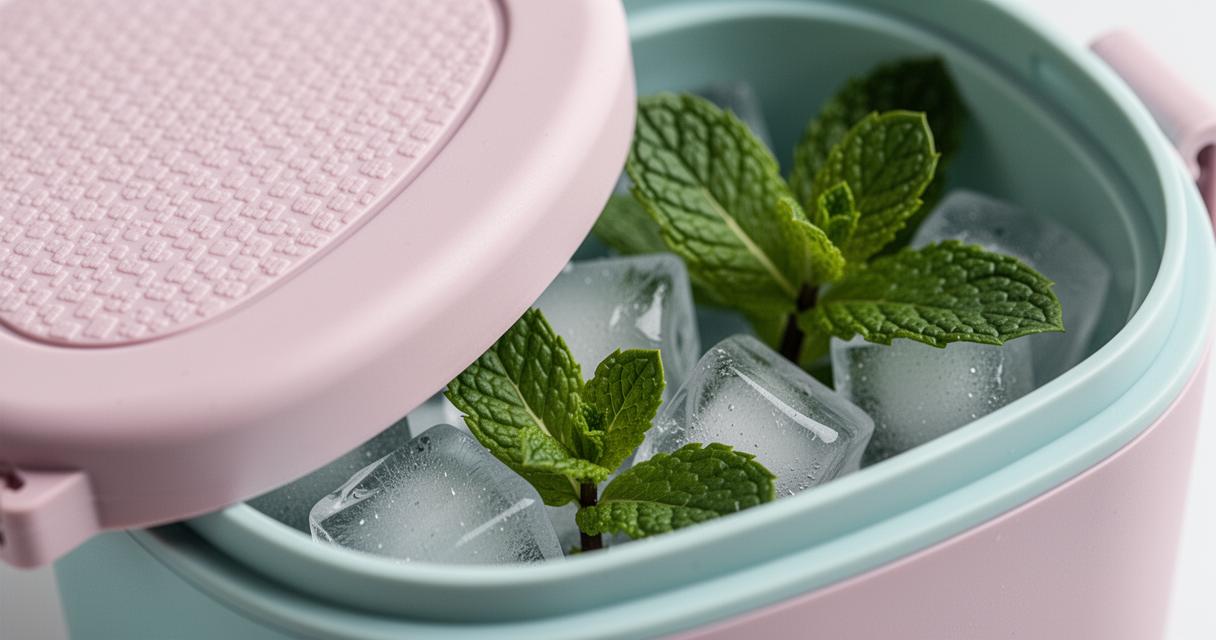
The Polarbox’s portability is one of its most celebrated practical qualities. The leather strap handle is not only visually appealing but genuinely comfortable to carry, distributing weight in a way that a rigid plastic handle often does not. For a day trip on foot (whether to a local park, a beach, or a countryside picnic spot) this makes a meaningful difference over the course of a few hours. Smaller models are compact enough to function almost as a lunchbox, slipping easily into the boot of a car or onto a bicycle rack. The cooler’s relatively lightweight construction also makes it more manageable than heavier, rotomoulded options designed for extended wilderness expeditions. For the target audience of casual outdoor enthusiasts rather than hardcore campers, this balance of style and ease of use is precisely the right trade-off.
Selecting the ideal cooling companion for your holiday needs
Matching your outdoor activities with the right box style
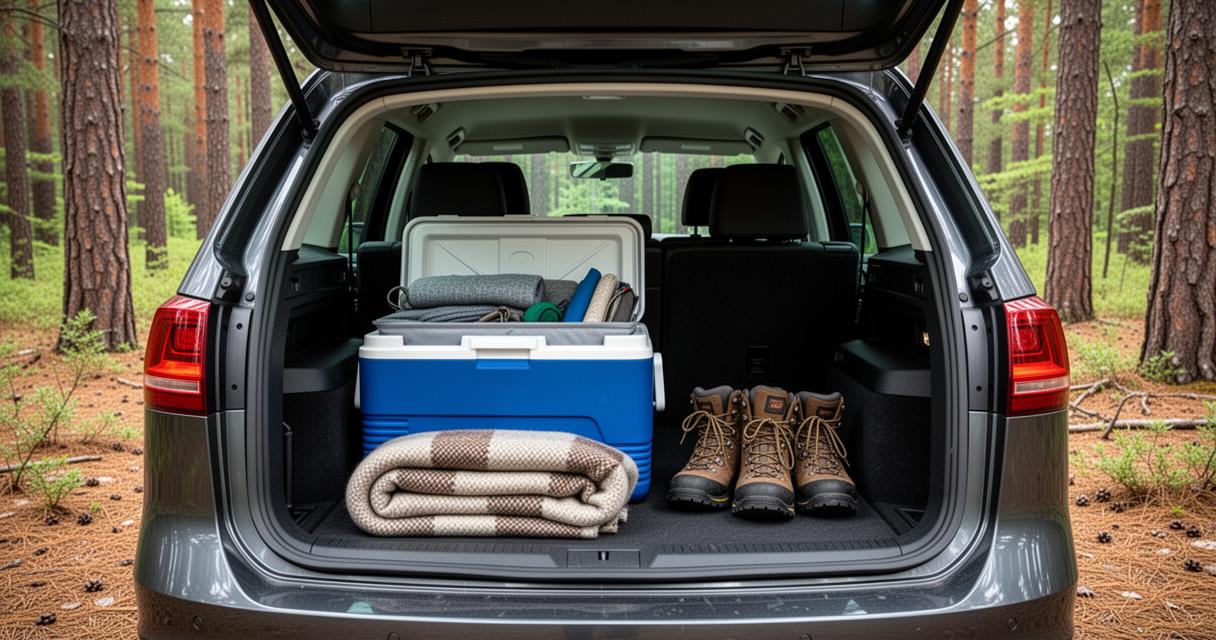
Selecting the right cool box ultimately comes down to understanding how and where you intend to use it. For those who prioritise style, social settings, and day-to-day outdoor leisure (picnics, beach days, alfresco lunches, and festival outings) the Polarbox cooler is a compelling choice. Its colourful, vintage design and comfortable leather strap make it a pleasure to carry and display, while its passive insulation is wholly adequate for shorter excursions. Families planning weekend camping trips, on the other hand, might benefit from a larger passive model rated for extended use, or even a thermoelectric box if their site has a 12V supply. For longer holidays or trips to remote locations without power, a compressor cool box offers the most reliable food preservation, albeit at a significantly higher price point and with greater weight to contend with.
- Day trips and picnics: a compact passive cool box such as the Polarbox is ideal
- Weekend camping with power access: a thermoelectric or mid-size passive model suits well
- Extended trips or remote locations: a compressor cool box provides consistent cooling
- Hiking and backpacking: a soft cooler or insulated cool bag is the lightest option
Key details to consider before purchasing your trendy cooler
Before committing to any cooler purchase, there are several practical details worth weighing carefully. Capacity in litres is the obvious starting point, a box that is too small will require constant restocking, whilst one that is unnecessarily large adds bulk and weight. The quality of insulation is equally important: premium coolers invest in denser foam and tighter-sealing lids, which directly translates to longer ice retention and better camping food storage. Handle design and portability should not be overlooked either, particularly if you plan to walk any distance with your cooler. The Polarbox’s leather strap scores highly here, though those carrying heavier loads over longer distances might appreciate a model with wheels. Finally, consider durability and ease of cleaning, as a cooler that is difficult to maintain will quickly lose its appeal after a few muddy outings. For those drawn to the Polarbox’s distinctive aesthetic, it represents a genuinely well-rounded option for outdoor travel gear, one that manages to be both a practical cooling solution and a stylish accessory in equal measure.