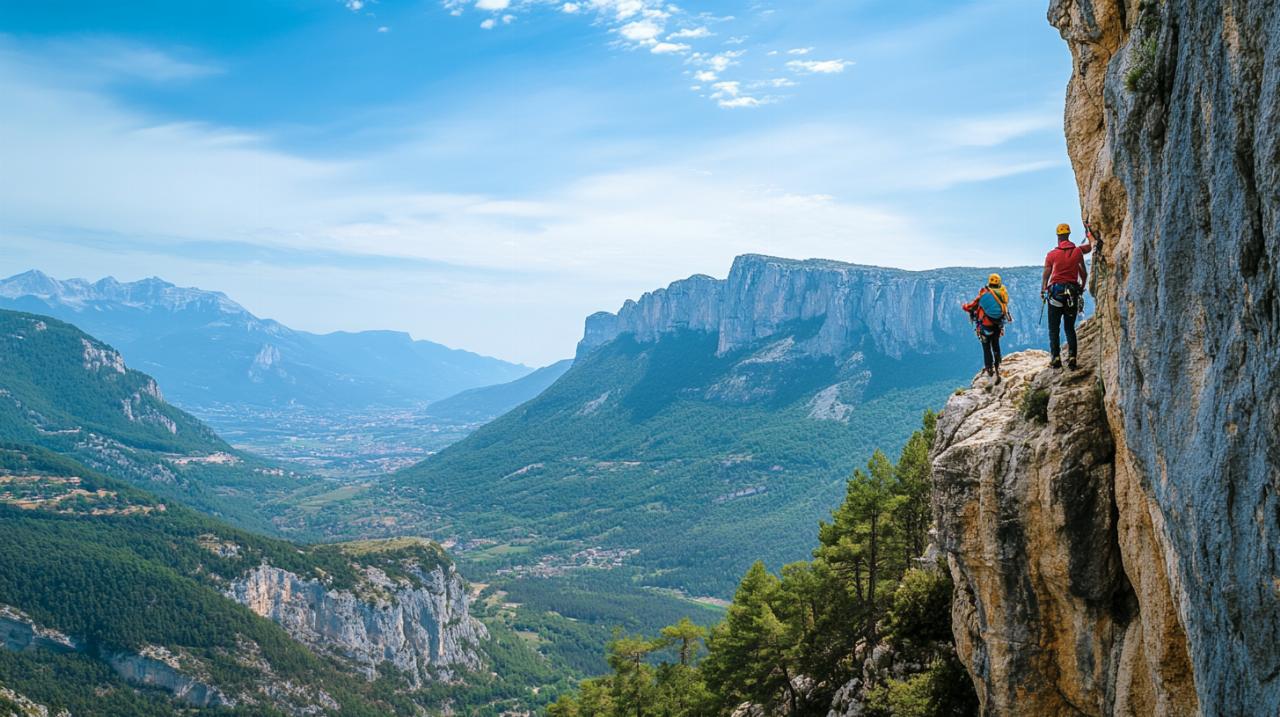
Travelling has never been more exciting, yet the way we explore the world is undergoing a quiet revolution. More and more holidaymakers are swapping crowded resorts for something far more meaningful, and this shift has a name: ecotourism. At its heart, this approach to travel invites us to visit natural areas whilst treading lightly, protecting the environment and genuinely improving the lives of the people who call these destinations home. Nowhere is this philosophy better illustrated than through the rise of the eco-lodge, a form of accommodation that has become the beating heart of the ecotourism movement.
What to know
- Ecotourism aims to minimize environmental impact while protecting natural areas and supporting local communities.
- Eco-lodges serve as the central pillar of the movement by integrating sustainable practices like renewable energy and eco-friendly construction.
- Wildlife conservation is a core commitment for many eco-lodges, which often fund protection efforts and educate guests on biodiversity.
- True ecotourism prioritizes the well-being of local populations through employment, investment, and the preservation of cultural heritage.
- Authentic cultural exchanges between travelers and indigenous communities foster mutual respect and move beyond the limitations of mass tourism.
- Eco-lodges function as educational hubs that teach visitors about ecosystem stewardship and the importance of conservation.
- Responsible management ensures that tourism activities, such as diving or safaris, actively contribute to preservation rather than damaging the local environment.
The Core Principles of Ecotourism and Environmental Conservation
The United Nations has long championed a definition of ecotourism that places local culture and conservation at its centre, and this framework has since evolved into a set of seven guiding principles that shape the industry today. These principles cover everything from minimising ecological impact to empowering local communities, and they form the backbone of any genuine ecotourism experience. Rather than being a fleeting marketing buzzword, sustainability has become a serious commitment that lodges across the globe are expected to honour.
Responsible travel practices and minimal environmental impact
Choosing to travel responsibly means being mindful of one's footprint at every stage of the journey, from transport choices to daily habits at the accommodation itself. Many eco-lodges now rely on renewable energy, thoughtful recycling schemes and sustainable construction methods to keep their environmental impact as low as possible. Take Dene Cottage on the Orkney Islands in the UK, for example, an off-grid retreat powered entirely by renewables that proves eco-friendly living needn't sacrifice comfort. Similarly, EcoCamp Patagonia in Chile has built its entire infrastructure around sustainability, allowing hikers to enjoy breathtaking landscapes without leaving a heavy mark behind.
Protecting wildlife and preserving natural resources through eco-lodges
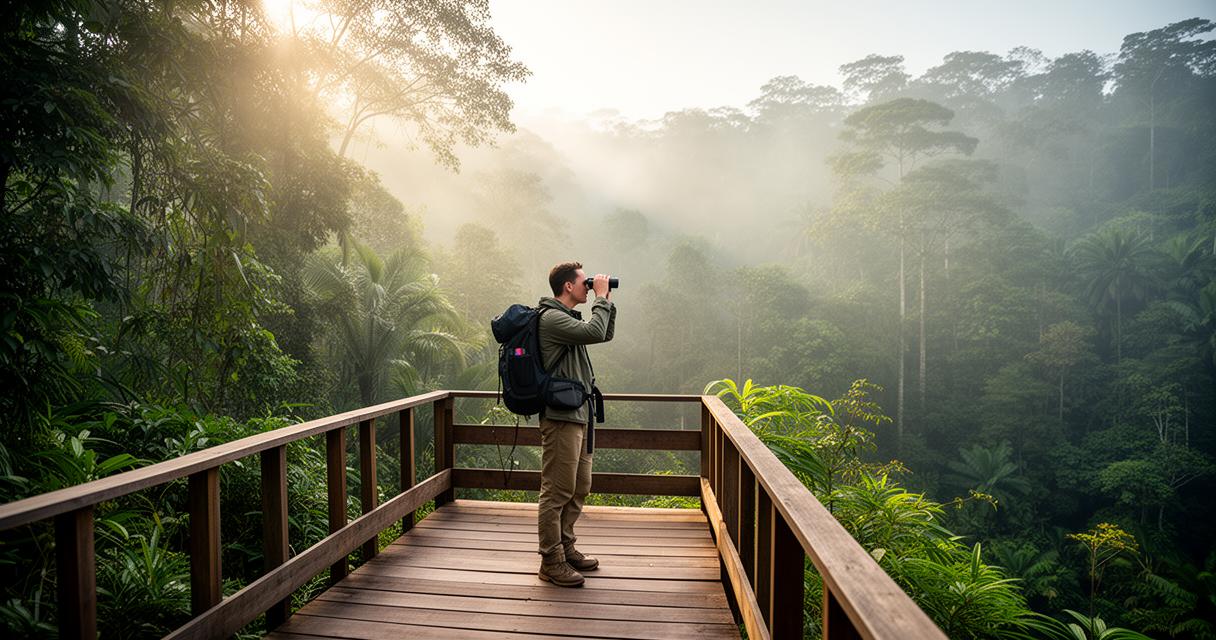
Wildlife protection sits at the very heart of ecotourism, and many lodges have built their entire identity around safeguarding the creatures that share their surroundings. Volcanoes Safaris in Uganda dedicates itself to gorilla conservation alongside community projects, whilst Knight Inlet Lodge in Canada, an indigenous-owned property, centres its offering on unforgettable wildlife encounters. Meanwhile, Christalino Lodge in Brazil champions rainforest education and birdwatching, giving guests a genuine appreciation for the biodiversity that surrounds them. These destinations show that conservation and unforgettable adventure can go hand in hand.
Community Engagement and Cultural Immersion in Ecotourism
Ecotourism isn't solely about nature; it's equally about people. A truly sustainable travel experience should leave local communities better off, whether through employment opportunities, infrastructure investment or the preservation of cultural heritage. This human-centred approach distinguishes genuine ecotourism from conventional mass tourism, which too often overlooks the needs of the very communities that host visitors.
Improving local well-being through sustainable tourism initiatives
Wolwedans Lodges in Namibia demonstrates how sustainable development can transform a region, blending striking desert landscapes with initiatives that directly benefit nearby communities. Jungle Bay Eco Lodge in Dominica takes a similarly community-driven approach, with strong local participation woven into every aspect of its operations. These examples reveal that community development is not an afterthought but a fundamental pillar of ecotourism, ensuring the benefits of tourism are shared fairly rather than concentrated solely amongst outside investors.

Meaningful interactions between travellers and indigenous communities
Genuine cultural exchange enriches travel experiences in ways that a typical package holiday simply cannot replicate. Bab El Oued Ecolodge in Morocco offers guests a desert oasis experience rooted in sustainable hospitality and authentic cultural connection, whilst Mara Serena Safari Lodge in Kenya blends thrilling African safaris with a firm commitment to responsible tourism practices. Such encounters allow visitors to engage with indigenous traditions and ways of life, fostering mutual respect and understanding that lingers long after the holiday ends.
Eco-Lodge Accommodation as a Gateway to Educational Experiences
Beyond relaxation and adventure, eco-lodges frequently serve as classrooms without walls, offering guests genuine insight into the ecosystems and cultures they are visiting. This educational dimension helps travellers understand why conservation matters, transforming a simple holiday into a lasting lesson in stewardship.

Learning Opportunities in Protected Areas and National Parks
Destinations such as Costa Rica have become almost synonymous with ecotourism, and Origins Lodge exemplifies this reputation by combining wellness, gastronomy and nature conservation into one seamless experience. Capella Lodge on Lord Howe Island in Australia, situated within a UNESCO World Heritage site, offers guests the chance to witness conservation efforts firsthand amidst extraordinary natural beauty. Pikaia Lodge in the Galapagos takes things further still, offering family-friendly eco-adventure experiences within one of the most ecologically significant archipelagos on the planet.
Responsible Management of Tourism Activities to Mitigate Sociocultural Impacts
Managing tourism responsibly requires constant vigilance, ensuring that the very activities designed to showcase nature don't end up damaging it. Maharaja Eco Dive Lodge in Indonesia's Raja Ampat region demonstrates this balance beautifully, offering diving experiences that actively support marine conservation rather than undermine it. Likewise, Gili Lankanfushi in the Maldives proves that a romantic getaway can be both indulgent and environmentally sound, protecting delicate marine ecosystems whilst still delivering an unforgettable stay. Terraegna Mountain Hut in Italy rounds out this picture, offering a rustic cabin experience that connects guests with alpine wildlife whilst respecting the fragile mountain environment. Together, these lodges illustrate that with careful planning, the tourism industry can flourish without compromising the landscapes, wildlife and communities that make travel so rewarding in the first place.